Can Pacifier Use Affect Tooth Alignment?
Blog:Can Pacifier Use Affect Tooth Alignment?
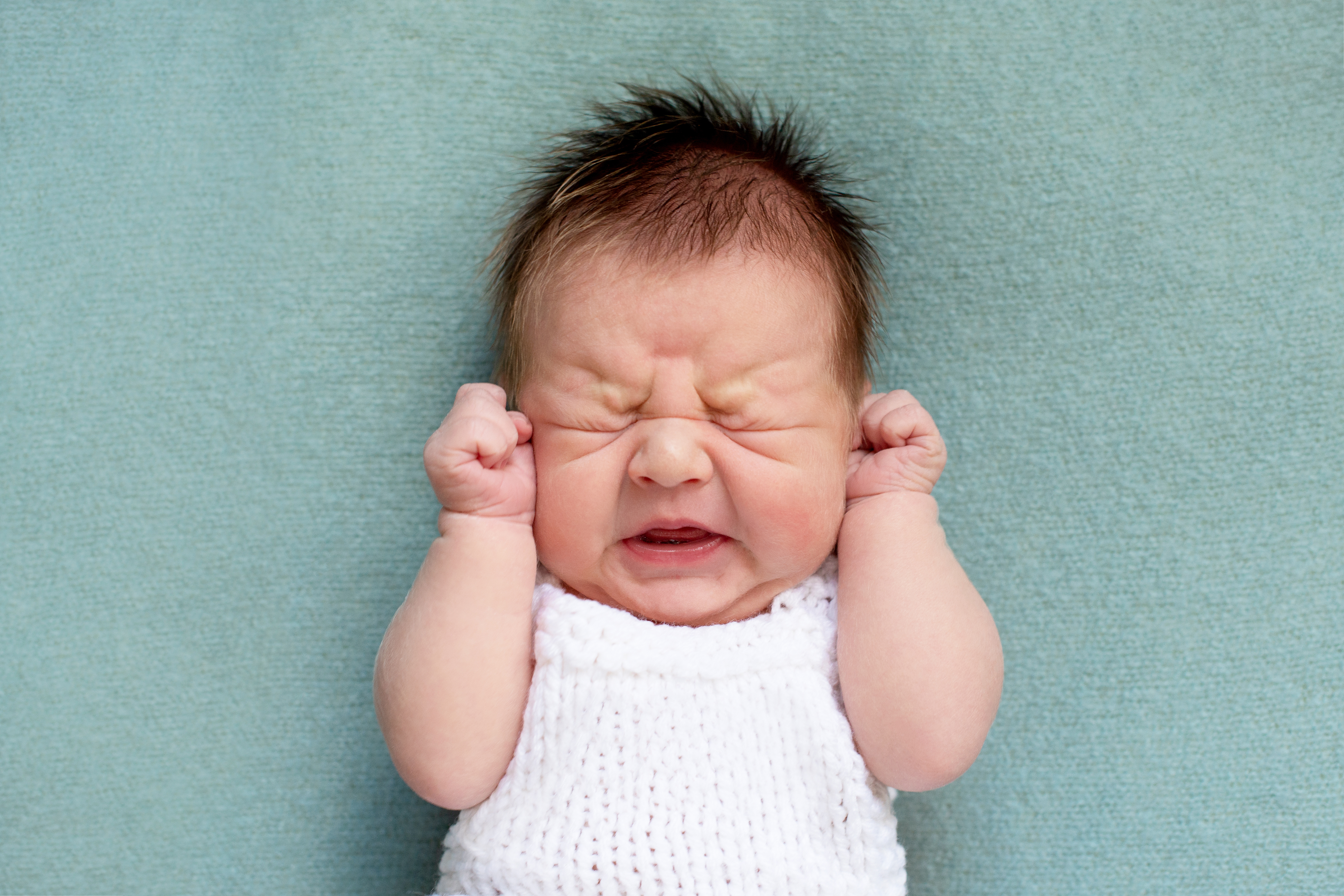
Pacifiers can be soothing for babies and helpful for parents, especially during the early months. They may calm a fussy infant, support sleep routines, and provide comfort between feedings. But as children grow, many parents begin to wonder whether pacifier use can affect tooth alignment or jaw development.
At Parkland Pediatric Dental in Gilbert, we help families understand when pacifier use is normal, when it may become a concern, and how to support healthy oral development as children grow.
How Pacifiers Can Affect Growing Teeth
A baby’s mouth changes quickly during the first few years of life. The teeth, jaws, tongue, lips, and facial muscles are all developing, and repeated pressure from a pacifier can influence how those structures grow over time.
Short-term pacifier use in infancy is common and does not always cause lasting problems. Concerns are more likely when pacifier use is frequent, forceful, or continues as permanent teeth get closer to coming in. The longer the habit continues, the greater the chance it may affect bite alignment.
What Tooth Alignment Changes Can Happen?
Pacifier use can sometimes contribute to an open bite, where the front teeth do not meet when the back teeth are closed. It may also affect the width or shape of the upper jaw, create changes in the way the front teeth angle, or contribute to a crossbite.
These changes do not happen to every child who uses a pacifier. The risk depends on how often the pacifier is used, how long the habit lasts, the child’s growth pattern, and whether other habits like thumb sucking are also present.
When Should Parents Start Weaning?
Many pediatric dentists recommend reducing pacifier use as toddlers get older and working toward stopping the habit before it has a stronger effect on developing teeth and bite alignment. For many children, gradual weaning is easier than stopping suddenly.
Parents in Gilbert should also remember that every child is different. If your child strongly relies on a pacifier or you are unsure when to stop, a pediatric dental visit can help you create a plan that fits your child’s needs.
Signs Pacifier Use May Be Affecting Your Child’s Smile
It may be time to ask a pediatric dentist about your child’s pacifier habit if you notice:
- Front teeth that do not touch when your child bites down
- Upper front teeth starting to angle outward
- A narrow-looking upper arch
- Changes in speech sounds
- Mouth breathing or tongue positioning concerns
- Pacifier use that continues throughout the day
- Difficulty stopping the habit after toddlerhood
These signs do not always mean your child will need orthodontic care, but they are worth evaluating early.
How A Pediatric Dentist Can Help
A pediatric dentist can check your child’s tooth alignment, jaw growth, bite, and oral habits during routine visits. At Parkland Pediatric Dental, we can also talk with you about pacifier weaning strategies that are gentle and age appropriate.
The goal is not to make parents feel guilty. Pacifiers are common, and many children use them without long-term issues. Our role is to help you understand your child’s development and take the right steps at the right time.
Tips For Reducing Pacifier Use
Reducing pacifier use often works best when it is gradual and consistent. Start by limiting the pacifier to naps and bedtime, then slowly reduce use from there. Offer comfort in other ways, such as a favorite blanket, stuffed animal, bedtime routine, or extra reassurance.
Avoid cutting or altering the pacifier, since damaged pacifiers can become a choking hazard. Positive encouragement usually works better than punishment or pressure.
Why Early Dental Visits Matter
Routine pediatric dental visits help catch changes in tooth alignment before they become more complicated. They also give parents a chance to ask questions about pacifiers, thumb sucking, brushing, fluoride, diet, and cavity prevention.
If you are concerned about pacifier use, tooth alignment, or your child’s bite, contact Parkland Pediatric Dental in Gilbert, AZ at 4024 E Guadalupe Rd, #105, Gilbert, AZ 85234, or call (623) 321-3071 to schedule an appointment.
Quick Links

All Dental Services
We offer a wide variety of dental services to the Gilbert community. Contact us with any questions about our services.
Keep In Touch
For non-urgent questions or to learn more about our services, contact us today!

Quick Links
Hours of Operation
- Monday 8:00am - 5:00pm
- Tuesday 8:00am - 5:00pm
- Wednesday 8:00am - 5:00pm
- Thursday 8:00am - 5:00pm
- Friday Closed
- Saturday Closed
- Sunday Closed
- Monday
- Tuesday
- Wednesday
- Thursday
- Friday
- Saturday
- Sunday
- Monday
- Tuesday
- Wednesday
- Thursday
- Friday
- Saturday
- Sunday
© 2026 Parkland Pediatric Dental. All rights Reserved - Accessibility Statement - Privacy Policy - Sitemap
Managed and Designed by 